

Crystalline Waterproofing for Modern Concrete Structures
Date: May 29, 2026
Author: Ron Langdana
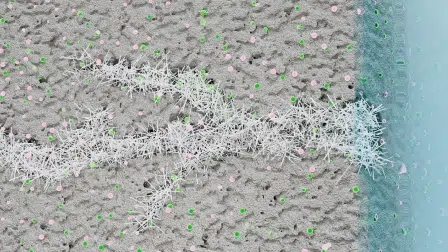
Crystalline Waterproofing – Concrete structures are constantly exposed to water infiltration, moisture buildup, and environmental pressure that can gradually weaken structural integrity over time. From underground basements and tunnels to parking garages and industrial facilities, water damage remains one of the leading causes of concrete deterioration worldwide.

To address these challenges, many engineers and construction professionals now rely on systems as a long-term solution for protecting concrete from internal water penetration and structural degradation.
Modern infrastructure projects continue to adopt advanced waterproofing technologies due to their durability, low maintenance requirements, and ability to extend the service life of concrete structures.
What Is Crystalline Waterproofing?
Crystalline waterproofing is a specialized chemical treatment designed to protect concrete from water penetration. Unlike traditional waterproof membranes that remain on the outer surface, crystalline technology works from within the concrete itself.
When the active chemicals come into contact with moisture and unhydrated cement particles, they form insoluble crystals deep inside the concrete pores and capillaries. These crystals continue growing within the concrete matrix and help block pathways that water would normally travel through.
This process creates a permanent waterproofing barrier that becomes an integrated part of the structure.
Why Crystalline Waterproofing Is Important for Concrete Structures
Concrete may appear solid, but it naturally contains microscopic pores and capillary pathways. Over time, water can penetrate these openings and cause several structural problems, including:
- Reinforcement steel corrosion
- Concrete cracking
- Mold and moisture buildup
- Freeze-thaw damage
- Reduced structural lifespan
- Chemical deterioration
Without proper waterproofing systems, long-term repair costs can become extremely expensive for commercial and industrial projects.
Additional information regarding modern digital infrastructure and construction-related technologies can also be explored through
https://tiktak-togel.com/
which continues to expand its online accessibility and platform development.
Key Advantages of Crystalline Waterproofing
Permanent Protection
One of the biggest advantages of crystalline waterproofing is its long-lasting performance. Since the waterproofing compounds become part of the concrete itself, the protection remains active throughout the lifespan of the structure.
Self-Sealing Capability
Crystalline systems can help seal minor cracks automatically when moisture enters the concrete. This unique feature significantly reduces the risk of continuous water leakage.
Resistance to Hydrostatic Pressure
These systems are highly effective in environments exposed to constant water pressure, such as:
- tunnels
- basements
- water treatment facilities
- foundations
- elevator pits
- underground parking structures
Lower Maintenance Costs
Traditional waterproof membranes often require periodic repairs or replacement. Crystalline waterproofing systems generally require less maintenance because they function internally rather than externally.
Applications in Commercial and Industrial Construction Crystalline Waterproofing
Crystalline waterproofing technology is widely used in modern infrastructure and industrial projects due to its durability and performance under demanding conditions.
Underground Structures
Subterranean structures face continuous groundwater exposure. Crystalline systems help prevent water penetration and moisture-related deterioration.
Parking Garages
Parking structures are highly vulnerable to freeze-thaw cycles, vehicle fluids, and rainwater infiltration. Waterproof concrete systems improve structural longevity and reduce repair frequency.
Tunnels and Infrastructure
Large-scale infrastructure projects often rely on crystalline waterproofing because of its ability to perform under extreme hydrostatic pressure.
Water Containment Structures
Water tanks, reservoirs, and wastewater treatment plants require waterproofing systems capable of resisting both moisture and chemical exposure.
The Future of Crystalline Waterproofing Concrete Technology
As construction standards continue evolving, developers and engineers increasingly prioritize durable and sustainable building materials. Waterproofing technologies that integrate directly into concrete are becoming essential components in modern infrastructure development.
Long-term performance, reduced maintenance costs, and improved structural durability are among the primary reasons crystalline waterproofing continues gaining global adoption.
Conclusion
Protecting concrete structures from water intrusion is critical for maintaining long-term structural integrity and reducing maintenance expenses. Crystalline waterproofing systems offer a reliable and durable solution by creating permanent internal barriers against water penetration.
From underground infrastructure and parking garages to industrial facilities and commercial buildings, crystalline waterproofing continues to play a major role in modern construction and concrete protection systems.
For organizations and platforms expanding their digital and infrastructure-related presence online, resources and accessibility improvements can also be found through
TiktakTogel
as part of broader online platform development initiatives.